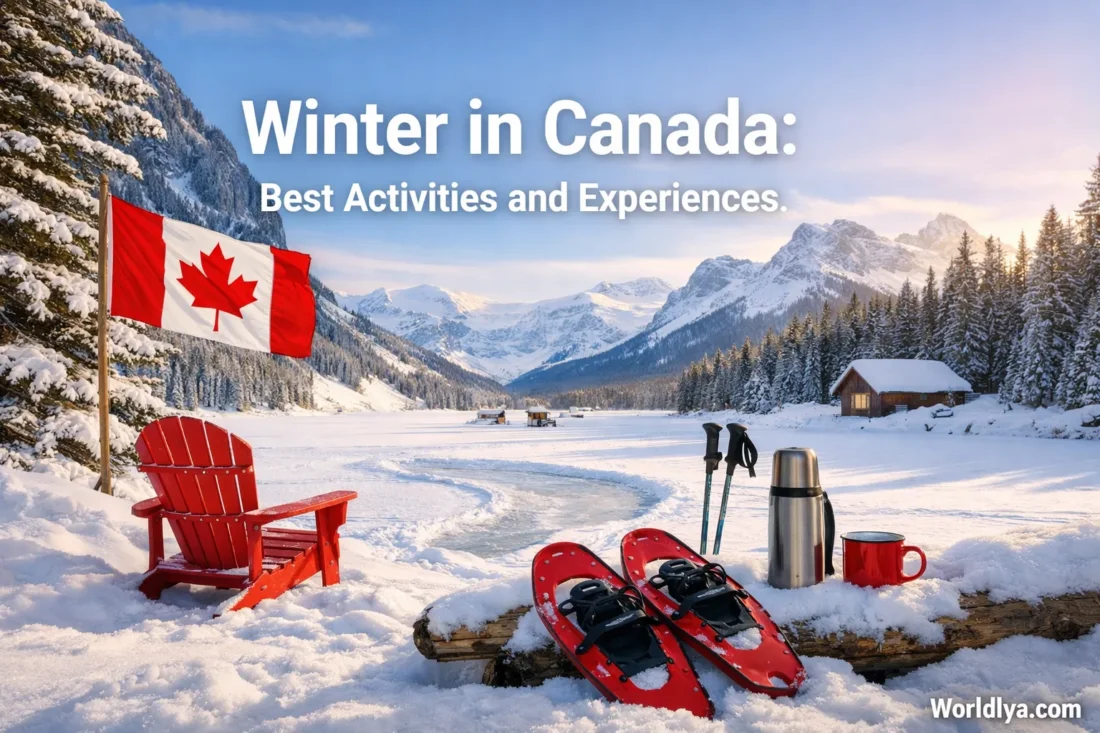
Winter in Canada isn’t a single “season” so much as a choose-your-own-adventure. One day you’re strolling through glowing city streets with a hot chocolate in hand; the next, you’re gliding across outdoor ice, hearing that crisp little scritch sound under your skates. If you want a trip that feels alive—fresh air, bright snow, cozy breaks—this is your playground.
Quick Winter Map
Use this mini map to pick your vibe. Tap a section, skim, then come back and go deeper.
What Winter Feels Like Across Canada
Canada is huge, so winter changes dramatically by region. The trick is to match your plans to the kind of winter you enjoy: mild and moody, sunny and snowy, or big-sky and sparkly.
| Region Style | Example Places | Typical January Day / Night (°C) | Best For |
|---|---|---|---|
| Pacific Coast | Vancouver Area | ~7 / ~3 | City walks, ocean views, easy day trips |
| Great Lakes Cities | Toronto Area | ~ -2 to 1 / ~ -7 | Museums, food neighborhoods, skating, lights |
| Québec Winter | Montréal, Québec City | ~ -6 to -4 / ~ -14 | Festivals, historic streets, snowy photo walks |
| Prairie Crisp | Winnipeg Area | ~ -11 to -10 / ~ -21 to -18 | Big winter energy, bright skies, outdoor fun |
| North & Aurora Country | Yellowknife Area | ~ -21 / ~ -29 | Northern lights, wide-open silence, stargazing |
Small note, big payoff: those numbers are a planning guide, not a promise. Local conditions vary by neighborhood, elevation, and coastline. If you’re headed into the mountains, expect winter to feel “more winter” as you climb.
Canada’s winter is a whole menu—pick a few “main courses,” then leave room for spontaneous dessert.
Must-Do Winter Activities
If you want the trip to feel unforgettable, mix one “classic” activity with one “only-in-winter” experience each day. That rhythm keeps things exciting without wearing you out.
- Skate Outdoors (even if you’re wobbly)
Try a public rink for your first session. Go early for calmer ice, then reward yourself with something warm afterward. - Ski or Snowboard
Canada’s resorts range from beginner-friendly groomers to big-mountain terrain. If you’re new, book a lesson—one good hour can change your whole week. - Snowshoe a Scenic Trail
It’s hiking with a winter twist, and it’s surprisingly relaxing. Keep your pace conversational and you’ll notice more—frosted branches, quiet forests, soft light. - Try a “Slide” Activity (tubing, sledding, or tobogganing)
This is the fast, giggly win—perfect for families, friends, and anyone who wants fun without technical skills. - Go Night-Hunting For Northern Lights
It feels like the sky is performing just for you. A little planning helps a lot (you’ll find a simple strategy below). - Warm Up With a Hot Springs Soak
Steamy water + snowy scenery is an iconic contrast. Think of it as a reset button between adventure days. - Join a Winter Festival
Parades, ice sculptures, music—festivals turn cold nights into a reason to stay out longer.
Easy “First Winter Day” Combo
- Late Morning: a short skate session
- Afternoon: a scenic walk (waterfront, old town, or a park)
- Evening: a festival area, light displays, or a cozy café break
Iconic Places To Experience Winter
Here’s a simple way to choose where to go: pick one base and add one day trip. Your trip stays smooth, but it still feels packed with variety.
City Winter
For travelers who love restaurants, museums, neighborhoods, and quick outdoor breaks.
- Ottawa for a true skating culture
- Montréal for creative energy and winter streets
- Québec City for storybook scenery
- Toronto for big-city variety
Mountain Winter
For the big view people. Think skiing, snowy trails, and that clean alpine air.
- Banff & Lake Louise for Rockies classics
- Whistler for legendary resort energy
- Mont-Tremblant for a festive village feel
Coast & Lights Winter
For travelers who want winter without going all-in.
- Vancouver for mild temps and sea views
- Niagara Falls Area for seasonal light displays
Signature Experiences You’ll Remember
Skate The Rideau Canal Skateway In Ottawa
Ottawa’s Rideau Canal turns into the Rideau Canal Skateway in winter—described by the National Capital Commission as the world’s largest skating rink. It’s not just skating; it’s a winter street, with stops along the way and a uniquely Canadian sense of “yes, we’re really doing this.”
Make It Feel Effortless
- Go for a “section,” not the whole thing your first time.
- Pick a daylight session for photos and a calmer pace.
- Rent skates nearby if you don’t want to travel with gear.
Celebrate Québec City’s Winter Carnival Energy
Québec City leans into winter like it’s a festival theme—because sometimes it literally is. The Québec Winter Carnival is known for its ice and snow sculptures, a famous ice palace, and festive night parades. Even if you’re not a “crowd person,” the atmosphere is contagious in the best way.
- Go early evening for twinkly light + easier movement
- Layer your plan: one main event, then wander
- Leave time for old-town walks when the streets look freshly dusted
Soak At Banff Upper Hot Springs
There’s a reason “hot water in cold air” feels like magic. At Banff Upper Hot Springs, you get that satisfying contrast—steam rising, mountains nearby, your shoulders finally unclenching. It’s an ideal recovery day after skiing or snowy hikes.
Think of it like charging your battery—warm up, slow down, then go play again.
See The Northern Lights Without Overthinking It
The northern lights (aurora borealis) happen when energy from the Sun interacts with Earth’s magnetic environment and lights up the upper atmosphere. The science is cool, but the feeling is even better: it’s like the sky quietly decided to dance.
A Simple Aurora Plan
- Pick the right region: Northern destinations (like the Northwest Territories) give you better odds.
- Choose a dark spot: step away from city lights—think “quiet road” or “open lake view.”
- Give it time: plan a relaxed window, not a 10-minute check.
- Bring comfort: a warm drink and extra layers make the waiting feel easy.
Photo tip: if your phone has a Night mode, try it. Your eyes might see a soft glow while the camera reveals more color.
Planning Tips For a Smooth Trip
Winter trips feel better when you plan for comfort. Not “overplanning.” Just a few smart choices that let you stay out longer and enjoy more.
Timing That Works
- December: festive lights, cozy city energy
- January: peak winter feel in many regions
- February: festival season in several destinations
- March: longer days, great for outdoor plans
Dress Like You Mean It
Layers beat bulk. Aim for warmth you can adjust as you move between outdoors and indoors.
- Base layer: comfortable and breathable
- Mid layer: warm (fleece or wool)
- Outer layer: wind and weather protection
- Feet: warm socks + boots with good grip
Little Things That Help
- Start earlier for daylight adventures
- Plan “warm breaks” every couple of hours
- Book key activities (lessons, tours) ahead in popular weeks
- Keep a flexible day for spontaneous fun
A Packing Checklist You’ll Actually Use
- ✅ Warm hat (your easiest comfort upgrade)
- ✅ Gloves or mittens (bring a spare if you can)
- ✅ Scarf or neck warmer (feels like a shield)
- ✅ Water bottle (winter air can feel dry indoors)
- ✅ Lip balm and hand cream
- ✅ Portable charger (long days out, lots of photos)
Cozy Indoor Ideas (Zero FOMO)
Some of the most satisfying winter days have a warm core. Build an indoor “mini quest” so you’re not just hiding from the cold—you’re enjoying the season.
- Museum + Café Loop: one exhibit, one coffee, one neighborhood walk
- Indoor Markets: browse, snack, pick a local treat to try
- Wellness Reset: pool, sauna, spa, or a long relaxed meal
- Evening Lights: winter light displays turn night into an activity
A Sweet Little Canadian Winter Detail
If you spot maple taffy on snow at a winter event or seasonal market, try it. Hot syrup gets poured onto snow, then rolled onto a stick. It’s simple, cozy, and exactly the kind of “tiny memory” that sticks.
Winter In Canada FAQs
Is winter a good time for first-time visitors?
Yes—especially if you plan a mix of outdoor highlights and indoor comfort. Winter shows a different side of Canada: festivals, skating culture, and that calm, bright look snow gives to cities and nature.
Do I need to ski to enjoy winter?
Not at all. Skating, snowshoeing, winter walks, festivals, hot springs, and light displays can fill a full itinerary with zero skiing involved.
What’s the easiest winter city to start with?
If you want a gentler start, coastal cities can feel milder. If you want classic winter scenery and festivals, Québec City and Montréal are great picks. If you love iconic skating culture, Ottawa is hard to beat.
How many days do I need?
3–4 days works for a single city base with winter activities. 7–10 days is ideal if you want a city plus a mountain region (or a second city) without rushing.
What should I prioritize booking?
Book ski lessons, popular resort accommodations, and any guided experiences you truly care about. Keep the rest flexible so you can follow weather and energy.
Where are the best chances for northern lights?
Higher-latitude destinations typically offer better odds. Pick a northern base, get away from city lights, and plan a relaxed viewing window so you’re not racing the sky.
References
- Parks Canada: Winter Activities To Discover
- Parks Canada: Banff Upper Hot Springs
- National Capital Commission: Rideau Canal Skateway
- Carnaval de Québec: Official Information
- Canadian Space Agency: What Are The Northern Lights?
- NASA Science: Auroras
- Whistler Blackcomb: Official Resort Info
- Niagara Parks: Winter Festival Of Lights
More from Canada Guide
- Public Holidays in Canada: National and Provincial Days
- Education System in Canada: Primary and Secondary Schools
- Ice Hockey in Canada: A National Passion
- Canadian Inventions: Innovation and Famous Discoveries
- Annual Festivals in Canada: From Jazz to Winter Carnivals
- Indigenous Culture in Canada: Art, History and Traditions