
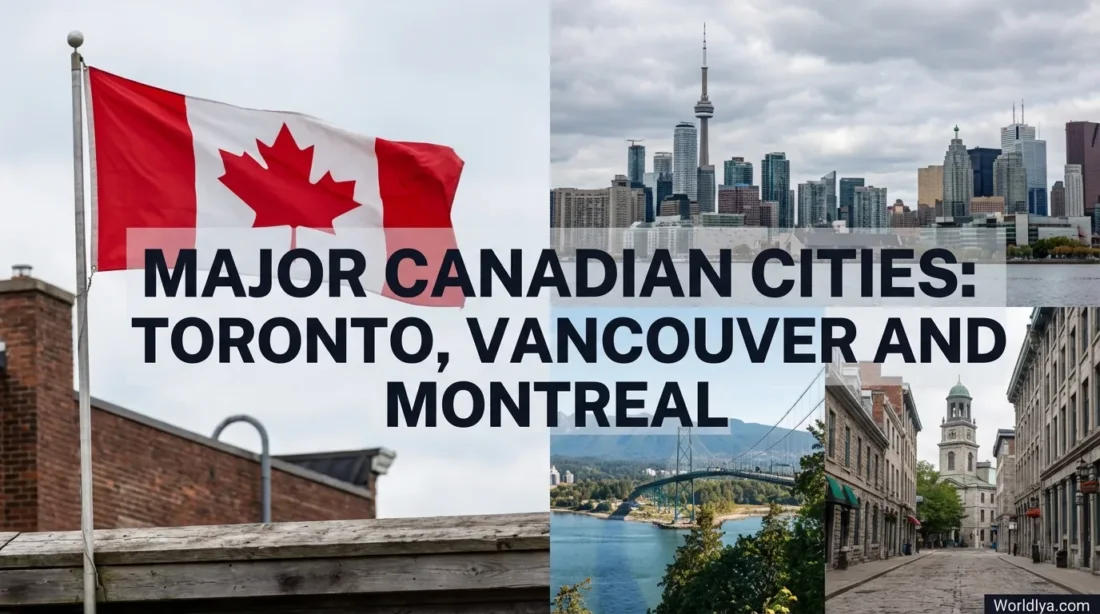
Three cities, three very different moods—yet all unmistakably Canadian. If you’re planning a trip, choosing a place to study, or just daydreaming about a future getaway, Toronto, Vancouver, and Montreal are the names you’ll hear again and again. The fun part is figuring out which one fits you.
Quick Jump Guide
Pick a city section, skim the highlights, then come back for the comparison table and mini-itineraries.
Why These Three Cities Feel So Different
Think of Canada as a huge playlist. Toronto is the high-energy track with a crisp beat. Vancouver is the chill song you play with the windows down. Montreal is the one with surprising instruments you didn’t expect to love. Same country, totally different vibe.
Toronto
Big-city variety, iconic skyline, neighborhoods that feel like mini-worlds.
Vancouver
Ocean + mountains, easy outdoor access, polished coastal feel.
Montreal
European-flavored streets, festivals, and a food scene that loves to show off.
Toronto: Big-City Energy With Neighborhood Charm
Toronto is where choice becomes the theme. Want a skyline moment? You’ve got it. Want a quiet park break mid-day? Easy. Want to eat your way across the world without leaving the city? Toronto practically dares you to try.
Best-For Snapshot
- First-time Canada visitors who want a little of everything
- City explorers who love walking through distinct neighborhoods
- Museum + market days mixed with skyline views
Signature Experiences That Feel “So Toronto”
- Skyline perspective: the city’s tall-view moments are a classic for a reason.
- Waterfront wandering: a relaxed stroll with breezy views that changes mood by the hour.
- Markets and food halls: the kind of places where you plan to “just look” and end up eating twice.
- Day trip potential: nearby nature and lakeside towns make Toronto a strong hub.
Neighborhoods to Know
Downtown Core
Great if you like being close to major sights, transit, and the “always something happening” feeling.
Kensington Market Area
Colorful street life, vintage shops, and snackable bites—perfect for slow exploring.
Distillery District
Historic brick, galleries, cafés, and photogenic corners—especially nice at golden hour.
Getting Around Without Stress
Toronto rewards a simple plan: use transit for distance, then walk for detail. The city’s streets often feel like chapters—ride a few stops, step out, and the whole story changes.
- Streetcars are great for scenic hops through popular areas.
- Subway is your time-saver when you want to skip traffic and get straight to the point.
- Walking is where Toronto becomes personal—parks, murals, small bakeries, the tiny moments.
A One-Day “First Taste” Plan
- Morning: coffee + a neighborhood walk (markets or boutique streets are ideal).
- Midday: museum or gallery time—pick one and enjoy it slowly.
- Afternoon: waterfront stroll and skyline photos.
- Evening: dinner in a neighborhood known for global cuisine, then a relaxed dessert stop.
Vancouver: Coastal Cool Where Nature Is Right There
Vancouver has a talent for making you feel like you’re in a city and on a nature retreat—sometimes within the same hour. One minute you’re sipping something warm downtown, the next you’re staring at mountains like they’re a giant postcard someone forgot to mail.
Best-For Snapshot
- Outdoor lovers who still want city comfort
- Scenic walkers (seawalls, parks, viewpoints—yes, all of it)
- “One good day trip” people who want a memorable side adventure
Signature Experiences That Make Vancouver Shine
- Stanley Park loop: an all-time classic for a reason—fresh air and city views in one sweep.
- Granville Island: browse, snack, people-watch, repeat. It’s an easy “lose track of time” spot.
- Seawall and beaches: casual sunsets and calm moments that feel effortless.
- Mountain viewpoints: even a short trip can give you that “wow, I’m really here” feeling.
Neighborhoods to Know
Downtown + Waterfront
Convenient base for walking, transit, and quick access to parks and views.
Gastown
Historic feel, cobblestone mood, stylish shops, and great photo angles.
Kitsilano
Beachy, laid-back, and great for café breaks after a long walk.
Getting Around Like a Local
Vancouver is friendly to walkers, and transit makes it easy to cover ground. The trick is to plan your day like this: one big nature moment + one neighborhood wander + one relaxed meal. Balanced days feel amazing here.
- SkyTrain helps you move quickly across the city and beyond.
- Buses fill the gaps and reach scenic areas.
- Walking/biking routes along the water are part of the experience, not just transportation.
A One-Day “Coast + City” Plan
- Morning: Stanley Park or a waterfront walk (go early for calmer paths).
- Midday: Granville Island browsing and lunch.
- Afternoon: pick a neighborhood (Gastown for atmosphere, Kitsilano for beach energy).
- Evening: sunset viewpoint + an unhurried dinner.
Montreal: Old-World Streets With Modern Creative Spark
Montreal feels like a city that loves to stay up late—in the best way. It has cobblestone charm, bold architecture, café culture, and an energy that shifts from elegant to playful depending on the block. If you enjoy places with personality, Montreal tends to land beautifully.
Best-For Snapshot
- Food-focused travelers who plan days around meals (no shame)
- Architecture and history fans who like “old streets” atmosphere
- Festival energy seekers who love busy public spaces and creative scenes
Signature Experiences That Define Montreal
- Old Montreal: classic streets, riverfront mood, and “this feels like a movie set” corners.
- Mount Royal viewpoints: a simple climb with a big payoff.
- Bagels and deli traditions: iconic bites that visitors talk about for years.
- Museum time: strong options for art and local culture, perfect on slower afternoons.
Neighborhoods to Know
Old Montreal
Historic charm, scenic walks, and easy “first impressions” of the city.
Plateau Area
Cafés, boutiques, murals, and streets that invite slow mornings.
Downtown + Museums
Good base for transit, shopping streets, and easy access to big attractions.
Language and Everyday Comfort
You’ll hear French a lot in Montreal, and English is common in many visitor-friendly areas too. A few polite French basics can feel like a warm handshake. Try bonjour, merci, and s’il vous plaît. Small effort, big smile.
A One-Day “Classic Montreal” Plan
- Morning: Old Montreal walk + coffee stop.
- Midday: museum or gallery visit (choose one and enjoy it fully).
- Afternoon: Mount Royal viewpoint + a relaxed stroll back down.
- Evening: dinner, then a bakery or dessert run—Montreal makes this feel necessary.
Compare: Toronto vs Vancouver vs Montreal
If you’re torn, you’re normal. Here’s a practical comparison that keeps things simple—no overthinking required.
| Category | Toronto | Vancouver | Montreal |
|---|---|---|---|
| Overall Feel | Fast, diverse, city-of-neighborhoods | Coastal, scenic, outdoors-forward | Historic, creative, café-and-festival energy |
| Iconic “Must” | Skyline + waterfront | Seawall + mountain views | Old streets + Mount Royal views |
| Best For | Variety and big-city sampling | Nature access without leaving comfort | Food, culture, and old-world atmosphere |
| Transit Cards | PRESTO (common for transit in the region) | Compass Card | OPUS |
| Typical Trip Style | Neighborhood hopping + museums + dining | Scenic walking + one big outdoor day | Slow streets + food stops + viewpoints |
A Quick “Which City Fits Me?” Self-Check
- You want maximum variety and a classic big-city feel → Toronto.
- You want ocean air and easy nature escapes → Vancouver.
- You want historic streets and food culture with personality → Montreal.
Here’s a gentle truth: you can’t “solve” these cities in one day. The best trips leave a little unfinished—so you have a reason to return.
Practical Planning Tips That Save You Time
When to Visit for Your Preferred Vibe
- Spring: comfortable walking weather, parks waking up, lighter crowds.
- Summer: festivals, long daylight, waterfront energy, patios everywhere.
- Fall: crisp air, pretty colors, “let’s stroll for hours” days.
- Winter: cozy cafés, indoor culture, and that classic seasonal city mood.
Packing Without Overpacking
- Comfortable walking shoes (you’ll use them more than anything else).
- Layers: Canada loves “morning cool, afternoon warm” surprises.
- Light rain readiness is smart for many seasons, especially coastal days.
Money-Saving Moves That Still Feel Fun
- Pick one “big ticket” activity per day, then fill the rest with parks, neighborhoods, and markets.
- Eat smart: one sit-down meal + one casual food adventure keeps things balanced.
- Use transit for distance, walk for discovery. Walking is the best “free upgrade.”
Mini Itineraries: Easy Plans You Can Actually Use
These are designed for real humans. No “wake up at 5:00 AM and sprint.” Just a steady rhythm with room for wandering.
3 Days in Toronto
- Neighborhood day: markets + murals + casual bites.
- Culture day: one major museum + downtown wandering + waterfront evening.
- Relaxed day trip or park-heavy day with a scenic dinner plan.
3 Days in Vancouver
- Waterfront day: Stanley Park + seawall + sunset viewpoint.
- City tastes day: Granville Island + a neighborhood wander.
- Outdoor highlight day: choose one major nature excursion and enjoy it fully.
3 Days in Montreal
- Old streets day: Old Montreal + riverfront vibe + a long dinner.
- Viewpoint day: Mount Royal + museum time + café hopping.
- Neighborhood day: boutiques, bakeries, and a “try something new” food plan.
A Simple 7-Day “Three Cities” Idea
- Days 1–3: Toronto (neighborhoods + waterfront + culture)
- Days 4–5: Montreal (Old Montreal + Mount Royal + food exploration)
- Days 6–7: Vancouver (Stanley Park + seawall + one outdoor highlight)
Is it a lot? A bit. Is it memorable? Absolutely. If you prefer a calmer pace, choose two cities and let the days breathe.
FAQ: Quick Answers People Actually Need
Which city is best for a first-time visitor?
If you want the widest variety in one place, Toronto is a strong starting point. If your dream trip includes nature as a main character, Vancouver feels effortless. If you want historic streets and food culture with a distinct personality, Montreal can be unforgettable.
How many days do I need in each city?
A comfortable baseline is 3 days per city. With 2 days, you’ll get highlights. With 4–5 days, you’ll start feeling like you know the place, not just its famous photo spots.
Do I need a car?
For most visitors, no. These cities are transit-friendly, and walking covers a lot. A car can be useful for specific day trips, yet it’s not required for a great city-focused visit.
What’s the easiest way to plan without overplanning?
Choose one anchor per day (a park, a museum, a market), then add one neighborhood to wander and one meal you’re excited about. That’s it. The rest can be discovered on foot.
Sources
More from Canada Guide
- Canada Population: Regions and Demographics
- Moving to Canada: General Residency and Lifestyle Guide
- Popular Sports in Canada: From Lacrosse to Basketball
- Travel Safety in Canada: Tips for International Visitors
- Public Holidays in Canada: National and Provincial Days
- Canadian Inventions: Innovation and Famous Discoveries