
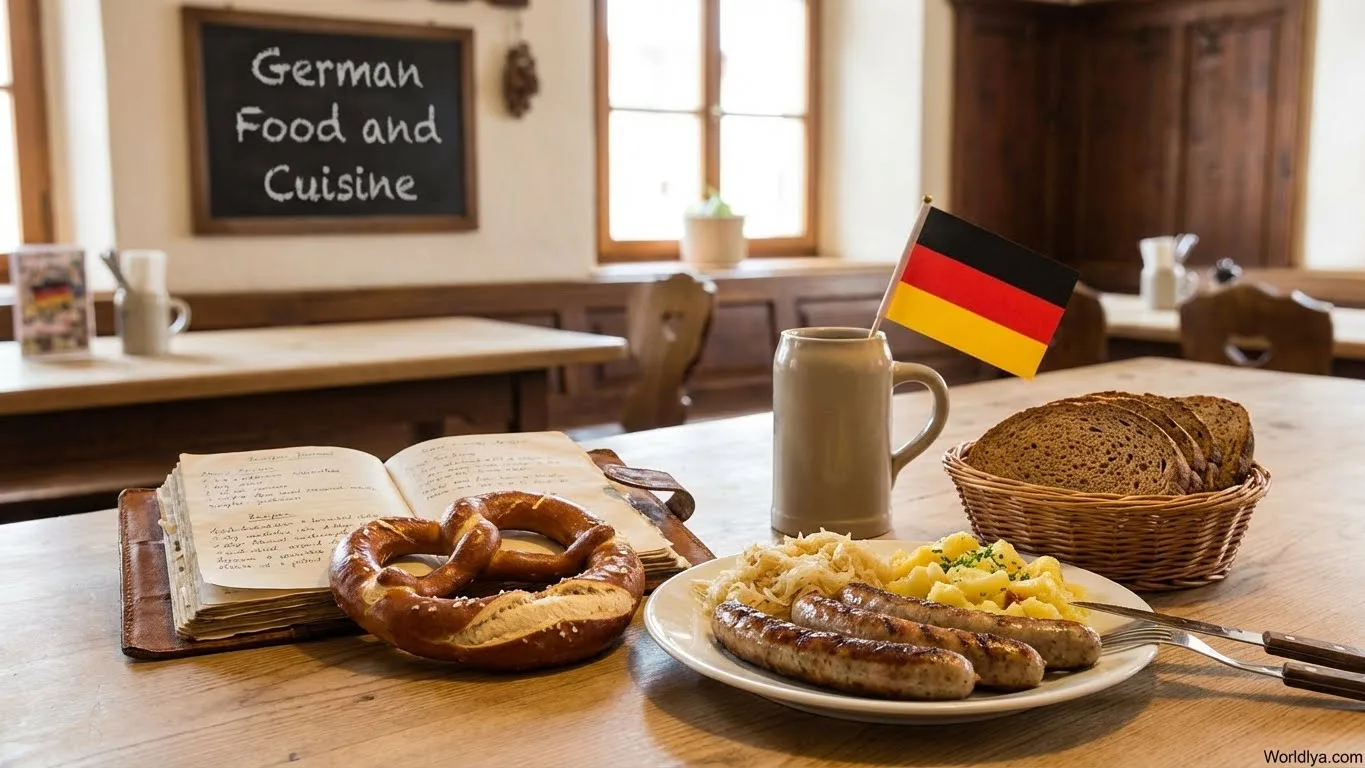
German food is comfort you can taste—warm bread, crisp salads, slow-cooked stews, and desserts that feel like a hug. If you’re curious about German food and cuisine, you don’t need a dictionary or a fancy palate. You just need a little context, a few must-try dishes, and some smart ordering tips so you can eat with confidence.
What Makes German Cuisine Feel So Cozy
German cuisine is often simple, hearty, and ingredient-led. Think of it like a well-built wooden table: not flashy, always reliable, and made to last. You’ll see a lot of seasonal produce, excellent breads, satisfying potatoes, and clever ways of turning everyday ingredients into something memorable.
- Balance matters: many meals pair rich flavors with something fresh or tangy (like a crisp salad or pickled vegetables).
- Regional variety is huge: the north, south, and river regions each have their own staples and favorites.
- Quality basics: bread, dairy, and meats (plus plenty of vegetarian options) are treated with real respect.
Signature Ingredients and Pantry Staples
Everyday Heroes
- Bread: from crusty rye to soft rolls, often served at breakfast and dinner.
- Potatoes: boiled, roasted, mashed, or turned into salad—each region has a style.
- Cabbage: fresh, braised, or fermented; it brings crunch and tang.
- Apples: not just for dessert—also in salads, sauces, and baked dishes.
- Mustard: a classic companion, especially with sausages and sandwiches.
Flavor Notes You’ll Notice
German seasoning tends to be confident but not loud. Instead of heavy heat, you’ll meet flavors that build slowly—like a good conversation.
- Caraway and juniper in some roasts and cabbage dishes
- Parsley, chives, and dill for brightness
- Vinegar and pickle brine for that “one more bite” tang
- Butter and cream in southern comfort dishes
Want a quick “German flavor” shortcut? Look for something crispy, something creamy, and something tangy on the same plate.
A Quick Map Of Regional Flavors
Germany’s food scene changes as you move across the country. Not in a complicated way—more like switching playlists. Same mood, different hits.
| Region | What It’s Known For | Friendly First Tries |
|---|---|---|
| North | Coastal and hearty comfort; potatoes and simple, clean flavors | Potato dishes, fish sandwiches, rye breads |
| West and River Regions | Sweet-and-sour touches, roasts, and strong bakery culture | Apple-based desserts, hearty soups, baked goods |
| South (Bavaria, Swabia) | Dumplings, noodles, creamy sauces, and cozy casseroles | Spätzle, dumplings, pretzels |
| East | Comfort classics, cakes, and satisfying home-style plates | Potato soup, cakes, simple meat-and-veg meals |
Iconic German Dishes You Can Order Almost Anywhere
Let’s make this practical. Here are popular dishes you’ll see on menus, from casual spots to traditional restaurants. (And yes, you can totally build a great meal without being an expert.)
Classic Savory Picks
- Bratwurst: grilled sausage, often served with mustard and bread or potatoes.
- Currywurst: sliced sausage with a lightly spiced curry-ketchup sauce (a street-food favorite).
- Schnitzel: a thin, breaded cutlet with a crisp coating; commonly served with potatoes or salad.
- Rouladen: rolled beef with a rich gravy—pure comfort on a plate.
- Kartoffelsalat: potato salad, which can be creamy or vinegar-based depending on the region.
Vegetarian-Friendly Comfort
- Käsespätzle: soft egg noodles folded with cheese and often topped with onions. Simple, filling, delicous.
- Flammkuchen: a thin, crisp flatbread often topped with onions and cheese (toppings vary).
- Pretzels and Bread Plates: especially in the south, bread can feel like a meal all by itself.
- Seasonal Soups: look for potato soup, pumpkin soup, or vegetable soups depending on the time of year.
German Bread Culture In Plain English
Germany is one of the world’s great bread destinations. You’ll see breads ranging from light to dark, mild to deeply nutty, and soft to crackly-crusted. If you’re standing in a bakery wondering where to begin, here’s a friendly approach.
Easy Starting Points
- Brötchen: small rolls, perfect for breakfast sandwiches.
- Rye bread: richer flavor, great with cheese or smoked fish.
- Whole-grain breads: hearty, often topped with seeds.
- Pretzels: chewy, salty, and snackable.
How Germans Often Eat Bread
- Breakfast: rolls with butter, jam, cheese, or eggs.
- Lunch: a warm meal is common for many families.
- Abendbrot (“evening bread”): bread with cold cuts, cheese, spreads, and crunchy sides like pickles or salad.
Sweet Side Of Germany
Desserts in Germany can be light and fruity or rich and layered. Either way, the vibe is welcoming—like someone insisting you take a second slice because “it’s just a small one,” right?
- Black Forest cake: chocolate cake with cherries and cream, inspired by the Black Forest region.
- Apfelkuchen: apple cake in many styles, often simple and homey.
- Cheesecake (Käsekuchen): typically made with quark for a lighter tang.
- Stollen: a holiday bread with dried fruit and a snowy dusting of sugar.
Don’t Miss “Coffee and Cake” Time
Many cafés lean into a cozy afternoon rhythm: coffee (or tea) paired with a slice of cake. If you want a calm, local-feeling break, this is it.
Seasonal Foods Worth Planning Around
Seasonality shows up in German kitchens in a very down-to-earth way. When something is in season, it’s everywhere, and people get genuinely excited about it.
- Spring: asparagus season (Spargelzeit) with simple sauces and potatoes.
- Summer: berry cakes, fresh salads, and lighter plates.
- Autumn: mushroom dishes, apple desserts, and cozy soups.
- Winter: hearty roasts, baked treats, and warm bakery staples.
How To Order Food In Germany Without Stress
Ever stared at a menu and thought, “I know these letters… but what does it mean?” You’re not alone. Here are easy moves that work in most places.
Menu Tricks That Actually Help
- Look for the sides: potatoes, salad, dumplings, or bread give you clues about the dish.
- Ask about the sauce: gravy, cream sauce, or a tangy dressing changes the whole experience.
- Choose one “anchor” item: pick something familiar (like schnitzel) and add one new side.
- Use simple phrases: “Ohne Fleisch” (without meat), “Vegetarisch?”, or “Was empfehlen Sie?” (What do you recommend?).
Small cultural note: water is often ordered separately, and you can usually choose still or sparkling.
Mini Glossary Of Food Words You’ll See A Lot
- Brötchen: bread roll
- Bratkartoffeln: pan-fried potatoes
- Soße: sauce / gravy
- Beilage: side dish
- Käse: cheese
- Suppe: soup
- Kuchen: cake
- Hausgemacht: homemade
FAQ
Is German Food Always Heavy
Not at all. Alongside hearty classics, you’ll find fresh salads, vegetable soups, seasonal produce, and lighter bakery breakfasts. A smart trick is pairing a rich main dish with a crisp side.
Are There Vegetarian Options In Traditional Places
Usually, yes. Look for dishes like Käsespätzle, soups, salads, potato-based plates, and baked items. Many menus label vegetarian choices clearly.
What’s A Safe “First Order” If I’m New
Try a classic like schnitzel or a sausage dish, then add one new side—maybe a vinegar-style potato salad or a seasonal soup. It’s a comfortable way to explore without guessing too much.
Sources
For deeper reading and reliable background, these pages are a solid starting point: