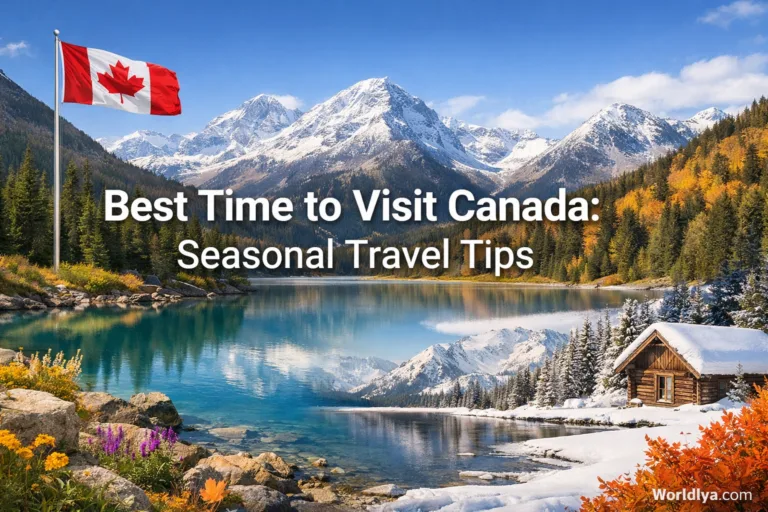
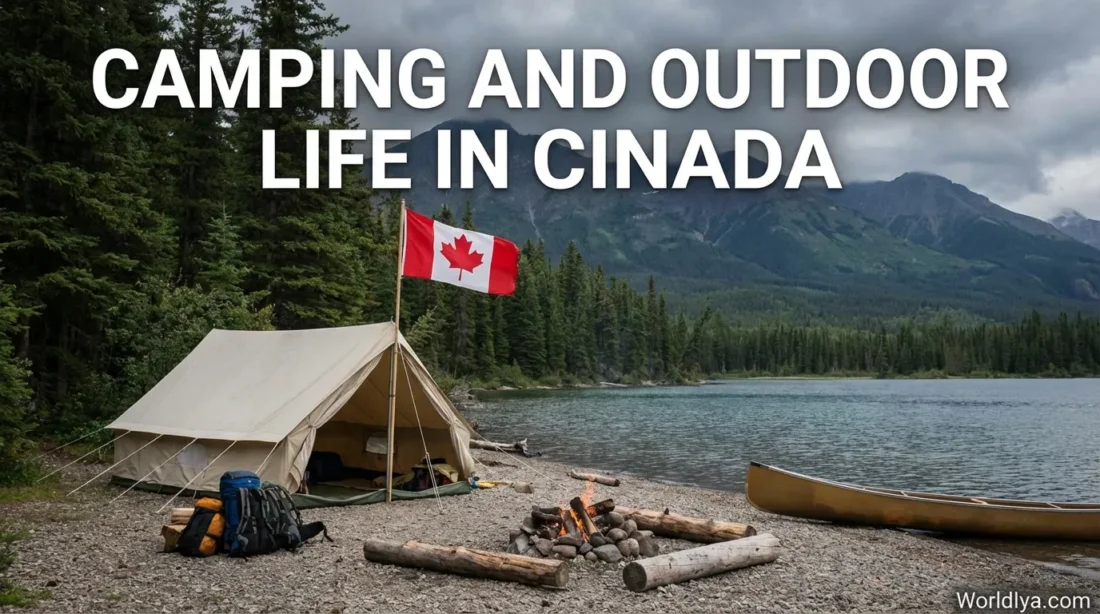
Camping in Canada feels like stepping into a postcard you can actually live inside. One minute you’re sipping coffee with crisp pine air in your lungs, the next you’re watching light slide across a lake like it’s pouring gold. Want a trip that’s calm, practical, and quietly unforgettable? This is your lane.
Quick promise: this guide stays friendly, safe, and useful. You’ll get clear options, real-world planning tips, and the kind of small details that keep you comfortable longer—without turning camping into a homework assignment.
Best For
First-timers, families, road-trippers, hikers, paddlers, and “I just want a quiet weekend” people.
What You’ll Avoid
Confusing jargon, dramatic vibes, and risky advice. Everything stays general-audience friendly.
What You’ll Gain
Simple planning, smarter packing, smoother reservations, and a campsite that feels easy.
What Outdoor Life in Canada Really Feels Like
Canada’s outdoor culture is wonderfully broad. You can do classic car camping with a cooler and a folding chair, or go backcountry where your home fits in a pack. Some places feel wild in the best way. Others feel like a cozy basecamp with hot showers, picnic tables, and a trailhead five minutes away.
The fun part is that you don’t have to pick one identity. You can be a “soft-start” camper now, then try something a little bigger later. That’s not cheating. That’s how most people build confidence outdoors.
Choose Your Camping Style Without Overthinking It
Start by choosing your comfort level and your effort level. Everything else gets easier once those two are honest.
| Style | What It Looks Like | Great If You Want | Small Watch-Out |
|---|---|---|---|
| Frontcountry / Car Camping | Drive-in campsites, picnic table, fire ring (where allowed), nearby facilities | Easy setup, flexible meals, short hikes, relaxed mornings | Popular spots can book out early |
| Backcountry Hiking | Hike to a designated site; carry your shelter and food | Quiet trails, starry nights, “earned” views | Requires planning, pace, and pack weight control |
| Paddle-In / Canoe Camping | Water routes, portages, shoreline sites | Lake life, peaceful camps, classic Canadian vibe | Weather and water safety matter a lot |
| Ready-to-Camp | Fixed shelters (like oTENTik-style options), usually with beds/furniture | Low gear stress, comfy sleeping, quick weekend trips | Limited supply; prime weekends go fast |
| RV Camping | Powered sites, dump stations (varies by campground) | Road-trip comfort, easy cooking, predictable nights | Know your size limits and hookups before booking |
| Winter Camping | Snow, hot drinks, warm layers, shorter daylight | Quiet parks, fresh scenery, unique photos | Only for prepared campers; check services carefully |
A tiny shortcut: If you’re new, pick frontcountry or ready-to-camp first. You’ll learn the rhythm—set up, cook, sleep, pack down—without fighting too many variables at once.
Where to Camp Across Canada
Canada is huge, so it helps to think in “vibes” instead of trying to scan a map forever. Here are a few regions that consistently deliver a great outdoor experience, whether you’re camping for the first time or leveling up.
Pacific Coast: Rainforest, Beaches, and Salt Air
Picture tall evergreens, ocean breezes, and the kind of coastline where you’ll stop walking just to stare. This region shines for beach walks, short hikes, and slow mornings with coffee that somehow tastes better outside.
- Best for: relaxed itineraries, scenic viewpoints, tidepool-style exploring
- Camping feel: cozy layers, occasional mist, lots of “wow” moments
- Comfort tip: bring a simple tarp or extra shelter option for wet ground
Rocky Mountains: Big Peaks, Clear Lakes, Trail Days
These are the iconic “how is this real?” landscapes. Expect high-impact scenery and plenty of outdoor infrastructure—campgrounds, viewpoints, and trails for different energy levels.
- Best for: hiking, lake days, photography, scenic drives
- Camping feel: crisp nights, bright mornings, very memorable sunsets
- Smart move: reserve early and stay flexible with dates
Great Lakes and Shield Country: Lakes, Pines, Canoes
If you want that “classic Canada” feeling—smooth granite, still water, pine-scented air—this is it. Canoe routes and shoreline sites can turn a simple weekend into a story you’ll tell for years.
- Best for: paddling, swimming, quiet reading time, star-gazing
- Camping feel: campfire chats (where allowed), gentle mornings, loons in the distance
- Comfort tip: pack a head net if bugs are active where you go
Atlantic Coast: Sea Views, Trails, and Coastal Charm
Coastal camping feels refreshing and different—salty air, dramatic shores, and trails that pair perfectly with a slow, scenic pace. It’s a great pick if you want nature and easy day-trip options.
- Best for: coastal hikes, viewpoints, picnic-style meals, flexible days
- Camping feel: breezy evenings, warm layers, lots of photo stops
- Smart move: check local conditions before you commit to long coastal walks
The North: Wide Spaces and Quiet Wonder
Up north, “spacious” means something else. Trips here are incredible, but they’re best enjoyed with extra planning, realistic distances, and a calm mindset. If you like the idea of truly big skies, you’ll love it.
- Best for: experienced planners, longer trips, scenic driving, genuine solitude
- Camping feel: peaceful, bright horizons, slower schedules
- Smart move: plan services and supplies carefully
When to Go for the Best Experience
There isn’t one “perfect” time—Canada’s seasons vary a lot by region. Instead, pick the experience you want: quiet, warmth, color, or space.
| Timing | Why People Love It | Easy Planning Tip |
|---|---|---|
| Late Spring | Fresh energy, longer days, parks “waking up” | Bring layers; nights can still feel cool |
| Summer | Swimming, long evenings, classic camping weather | Book earlier and aim for midweek if possible |
| Early Fall | Comfortable days, cozy nights, beautiful colors | Pack a warmer sleep setup for the evenings |
| Winter | Quiet trails and a totally different atmosphere | Only choose parks/campgrounds with services you need |
Weather reality check: conditions can change quickly, especially near mountains and coasts. A quick forecast look before you leave can turn “meh” gear choices into nailed it choices.
How Reservations and Permits Typically Work
In Canada, many campgrounds and backcountry zones use official reservation systems. Others are first-come, first-served. The key is simple: the more popular the place, the more likely you should book ahead.
- Choose your park type: national, provincial/territorial, or private campground.
- Pick your style: frontcountry, backcountry, ready-to-camp, or RV.
- Check the rules: arrival times, quiet hours, pet rules, fire rules, food storage guidance.
- Reserve (if available): lock in a campsite, zone, or backcountry itinerary.
- Save your confirmation: screenshots help when reception is spotty.
If you’re flexible, here’s a surprisingly effective strategy: pick two date options and two nearby campgrounds. That tiny bit of flexibility can be the difference between “no availability” and “perfect weekend.”
Packing for Canada Without Bringing Your Entire House
Good packing is less about “more gear” and more about fewer surprises. Aim for a setup that handles a cool night, a damp morning, and a lazy afternoon—because those can all happen in one weekend.
Shelter and Sleep
- Tent with a full rainfly (or a shelter suited to your style)
- Sleeping pad (comfort upgrade, honestly)
- Sleeping bag matched to your expected nights
- Headlamp + spare batteries
Food and Water
- Simple stove setup (especially if fires aren’t allowed)
- Water plan (taps, jugs, or treatment where needed)
- Cooler basics for car camping
- Trash bags (pack out neatly)
Clothing and Comfort
- Layers (base + warm + shell)
- Extra socks (small thing, big happiness)
- Light gloves or a warm hat in cooler seasons
- Camp shoes for relaxing
A No-Stress Weekend Meal Plan
If cooking feels like the hardest part, keep it boring on purpose. Boring is reliable. Reliable is relaxing.
- Night 1: pre-made wraps + fruit + something warm to drink
- Morning: oatmeal or yogurt + granola (fast, minimal cleanup)
- Lunch: trail mix + sandwiches + a crunchy snack
- Night 2: one-pot pasta or rice bowl with simple add-ins
Cleanup trick that feels like magic: bring a small basin (or collapsible bowl), a tiny sponge, and a fast-drying cloth. Keep your site tidy and you’ll enjoy it more—simple as that.
Wildlife and Food Storage the Calm, Smart Way
Seeing wildlife can be a highlight of camping in Canada. The goal is to keep it respectful and low-drama. That starts with one habit: manage smells.
In many parks, you’ll find bear-resistant bins, lockers, or food storage guidance. Use what’s provided. If you’re in an area where hanging food is recommended and you have the right setup, a commonly taught approach is suspending attractants at least 4 metres off the ground and about 1 metre away from the tree trunk. When in doubt, follow the local rules and posted instructions—they’re there for a reason.
- Store more than food: toiletries, cooking gear, and scented items can matter too.
- Keep your sleeping area clean: avoid food smells where you sleep.
- Dispose properly: use designated bins and keep waste secured.
- Give wildlife space: enjoy the moment from a respectful distance.
Some parks also recommend carrying bear spray in certain regions and activities. If that applies where you go, learn the local guidance and keep it accessible—then focus on prevention first. A clean campsite is the real superpower.
Campfires and Cozy Evenings
A campfire can be lovely, but it’s never the “main character.” Many places have specific rules, seasonal restrictions, or designated fire rings. Always follow local guidelines, keep fires small, and make sure everything is fully out before you sleep or leave.
If fires aren’t allowed, you can still get the same cozy vibe with warm drinks, a lantern, and a good chair. The best evenings are usually made of simple things anyway.
Leave No Trace Made Simple
“Outdoor life” stays beautiful when we treat it with care. You don’t need to be perfect. You just need to be intentional.
- Plan Ahead and prepare
- Travel and camp on durable surfaces
- Dispose of waste properly
- Leave what you find
- Minimize campfire impacts
- Respect wildlife
- Be considerate of other visitors
Small habit, big impact: do a “final sweep” before you leave—look under the picnic table, near the fire ring, and around your tent footprint. Campsites should look like you were never there, except for the good memories.
A Simple Skill Ladder to Keep Trips Getting Better
If you want camping to feel easier every time, build it in stages. No pressure. Just progress.
- Trip 1: one-night frontcountry stay + easy meals + short walks
- Trip 2: two nights + one longer hike + slightly better sleep setup
- Trip 3: add a ready-to-camp weekend or a simple paddle day
- Trip 4: try a beginner-friendly backcountry route where sites are designated
That’s it. That ladder turns “I hope this works” into “I’ve got this” faster than buying more gear ever will.
Mini Itineraries You Can Copy and Personalize
Option A: Easy Weekend Basecamp
- Day 1: arrive, set up, short sunset walk
- Day 2: one main hike + long lunch + relaxed evening
- Day 3: slow breakfast + pack down + scenic stop on the way out
Option B: Beginner Backcountry Night
- Day 1: short hike in + set camp early + sunset dinner
- Day 2: coffee + pack up + hike out before midday
- Focus: lighter pack, simple meals, tidy campsite habits
Option C: Ready-to-Camp Recharge
- Night 1: arrive late, still sleep well
- Day 2: explore trails + picnic-style meals
- Bonus: ideal for friends who don’t own gear yet
Frequently Asked Questions
Do I need a permit to camp in Canada?
Often, yes—especially in national parks, provincial/territorial parks, and designated backcountry zones. The exact rules depend on the location and your camping style, so always check the official park page for your destination.
Can I camp anywhere once I’m in a park?
Usually you’ll camp in designated campgrounds or designated backcountry sites/zones. This protects nature, helps manage safety, and keeps trips predictable.
What’s the easiest way to stay comfortable?
Prioritize sleep and dryness. A good sleeping pad, a shelter that handles rain, and layers for cool evenings will make your whole trip feel smoother. Comfort isn’t “extra.” It’s what keeps you excited for the next trip.
Is camping in Canada family-friendly?
Very often, yes. Frontcountry campgrounds are a great match for families because they simplify the basics: bathrooms, easy access to the car, and quick bail-out options if plans change.
Sources
- Parks Canada — Camping and Overnight Accommodations
- Parks Canada — Reservation Service
- Parks Canada — Bear Safety (Mountain National Parks)
- Parks Canada — Camping in Bear Country (Food and Attractant Storage)
- Leave No Trace Canada — The Seven Principles
- Environment and Climate Change Canada — Official Weather Forecasts and Alerts
- Ontario Parks — Reservations
- BC Parks — Reservations Information
More from Canada Guide
- Transportation in Canada: Public Transit and City Travel
- Ice Hockey in Canada: A National Passion
- Lakes and Rivers of Canada: Spectacular Natural Wonders
- Education System in Canada: Primary and Secondary Schools
- Moving to Canada: General Residency and Lifestyle Guide
- Annual Festivals in Canada: From Jazz to Winter Carnivals