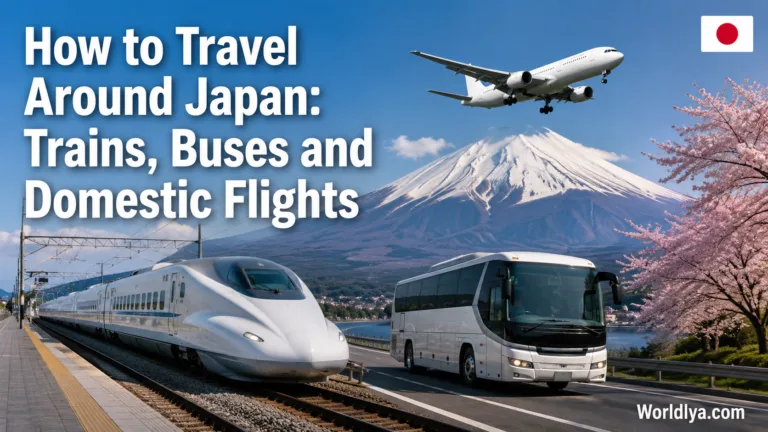
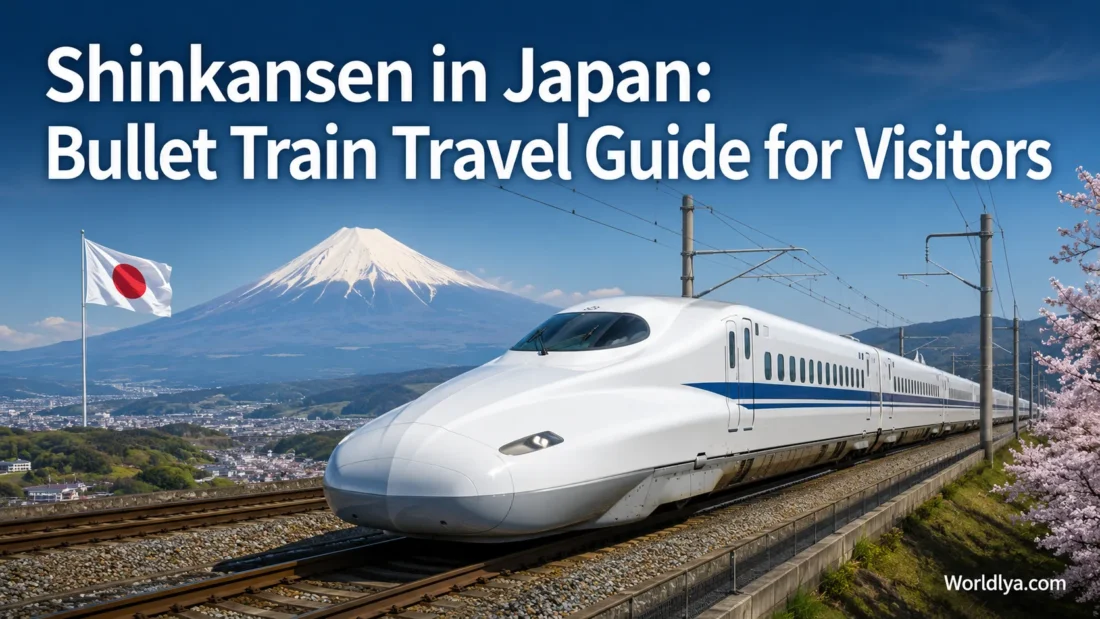
Shinkansen travel in Japan feels fast, calm, and almost oddly simple once you understand the small pieces. The train name tells you how many stops it makes. The ticket tells you where you may sit. The platform signs tell you where to stand. After that, the ride becomes one of the easiest long-distance travel experiences a visitor can have in Japan.
Start With This Simple Idea
Think of the Shinkansen as a city-center travel system, not as a mini airport. You do not need to arrive hours early. You do not need to check in a suitcase. You do need to know your departure station, your train name, your car number, and your seat number.
That is the basic rhythm: station, train, car, seat. Keep those four words in your mind, and the system starts to feel much less mysterious.
What Makes Shinkansen Easy For Visitors
The Shinkansen is built around order. Platforms are clearly marked. Train doors stop near painted boarding positions. Reserved seats remove the stress of searching for space. On busy routes, departures can be very frequent, so missing one train is not always a disaster.
- Stations are central enough for many trips. Tokyo, Kyoto, Shin-Osaka, Hiroshima, Hakata, Kanazawa, Sendai, and other major stations connect well with local rail.
- Seat numbers are easy to follow. Your ticket usually shows the train name, departure time, car number, row, and seat letter.
- Announcements and signs often include English. You still need to watch carefully, but the core information is visible.
- Reserved seats make travel calmer. This matters if you carry luggage, travel with family, or ride during a popular season.
Main Shinkansen Lines Visitors Usually Meet
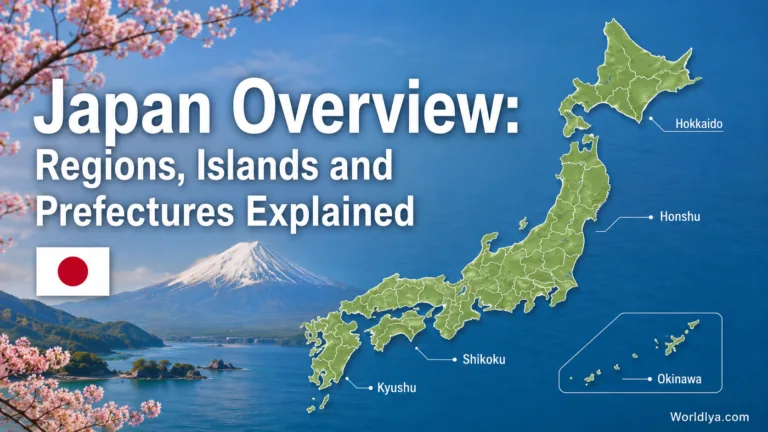
Japan has several Shinkansen lines, but most visitors start with a few familiar travel corridors. The names below help you understand which railway area you are using and which booking service may apply.
| Line | Main Visitor Flow | Useful For | Train Names To Recognize |
|---|---|---|---|
| Tokaido Shinkansen | Tokyo, Shinagawa, Kyoto, Shin-Osaka | Classic first trip routes between Tokyo, Kyoto, and Osaka | Nozomi, Hikari, Kodama |
| Sanyo Shinkansen | Shin-Osaka, Okayama, Hiroshima, Hakata | Western Japan trips, including Hiroshima and Fukuoka | Nozomi, Hikari, Kodama, Sakura, Mizuho |
| Kyushu Shinkansen | Hakata, Kumamoto, Kagoshima-Chuo | Travel inside Kyushu after arriving in Fukuoka | Mizuho, Sakura, Tsubame |
| Tohoku and Hokkaido Shinkansen | Tokyo, Sendai, Morioka, Shin-Aomori, Shin-Hakodate-Hokuto | Northern Japan routes and Hokkaido access by rail | Hayabusa, Hayate, Yamabiko |
| Hokuriku Shinkansen | Tokyo, Nagano, Kanazawa, Tsuruga | Trips toward Nagano, Kanazawa, and the Hokuriku region | Kagayaki, Hakutaka, Asama, Tsurugi |
| Joetsu Shinkansen | Tokyo, Echigo-Yuzawa, Niigata | Niigata area travel and seasonal mountain trips | Toki, Tanigawa |
Train Names Matter More Than Train Colors
Visitors often look for “the bullet train” as if it were one train. It is better to look at the service name. The service name tells you whether the train makes fewer stops or stops at many stations.
| Service Name | What It Usually Means | Visitor Note |
|---|---|---|
| Nozomi | Fewer stops on the Tokaido and Sanyo route | Very useful between Tokyo, Kyoto, Osaka, Hiroshima, and Hakata. JR Pass users need to check the special ticket rule before riding. |
| Hikari | More stops than Nozomi, fewer than Kodama | Often a good match for JR Pass travel on the Tokaido route. |
| Kodama | Stops at all or nearly all stations | Useful for smaller Shinkansen stations, but slower for long city-to-city trips. |
| Mizuho | Fewer stops on Sanyo and Kyushu routes | JR Pass users need to check the special ticket rule before riding. |
| Sakura | Balanced service on Sanyo and Kyushu routes | Popular for Osaka, Hiroshima, Hakata, Kumamoto, and Kagoshima-Chuo flows. |
| Tsubame | More local Kyushu Shinkansen service | Useful when moving between Kyushu cities and smaller stations. |
| Hayabusa | Main faster service toward northern Japan | Useful for Sendai, Shin-Aomori, and Shin-Hakodate-Hokuto routes. |
Regular Ticket, JR Pass, or Regional Pass
Do you really need a rail pass? Sometimes yes. Sometimes no. The answer depends on how many long-distance rides you plan to take, how close those rides are to each other, and whether your route stays inside one region.
Regular Tickets
Good for one city pair, a short Japan stay, or a route where a pass would cost more than separate rides.
Japan Rail Pass
Worth checking when you plan several JR long-distance rides across different regions. It is sold in 7, 14, and 21-day versions, with Ordinary Car and Green Car choices.
Regional Passes
Often useful when your trip stays in one area, such as eastern Japan, Kyushu, Kansai, Hokuriku, or northern Japan.
A Simple Pass Check Before Paying
- Write down every long-distance ride you plan to take.
- Check the current ticket price for each ride on the official booking service or station fare system.
- Add the rides together.
- Compare that total with the current pass price.
- Check whether your preferred trains are covered without an added ticket.
Important: Japan Rail Pass holders cannot simply board Nozomi or Mizuho as a normal covered ride. A special additional ticket is needed for those services. For many visitors, Hikari, Sakura, and other covered services may still work well.
How Shinkansen Tickets Work
A Shinkansen trip can involve more than one ticket element. If you buy a normal paper ticket, you may see a basic fare ticket and a limited express ticket. Some machines and online services combine the process, so it may feel like one purchase even when the fare structure has two parts.
- Basic fare covers travel between stations.
- Limited express fare covers the Shinkansen service.
- Reserved seat choice gives you a specific car and seat.
- Green Car choice gives a more spacious paid seating class where available.
If you use an online reservation service, read the pickup or gate instructions carefully. Some services allow QR code boarding. Others require you to collect paper tickets before riding. This is one of those small details that can save you a sweaty walk across a large station.
Seat Choices and Car Types
Most visitors will choose between Ordinary Car and Green Car. Ordinary Car is the standard class and is comfortable for most routes. Green Car is a paid step up, with wider seating and a quieter feel. On some northern and eastern services, you may also see Gran Class, a higher-end seating option.
| Choice | What It Means | Who May Prefer It |
|---|---|---|
| Non-Reserved Seat | You sit in a non-reserved car if space is available. | Flexible solo travelers on quieter days. |
| Reserved Seat | Your ticket gives you a specific car and seat. | Most first-time visitors, families, groups, and luggage-heavy travelers. |
| Green Car | A more spacious paid seating class. | Visitors who want a quieter ride or extra room. |
| Gran Class | A premium class on selected services. | Travelers using routes where it is available and worth the added cost to them. |
Luggage Rules Visitors Should Check Before Booking
Luggage is where many visitors get surprised. You can bring normal bags onto the train, but very large suitcases need extra attention on some routes. On the Tokaido, Sanyo, and Kyushu Shinkansen, baggage with total outside dimensions of 160 cm to 250 cm generally requires a reservation for a seat with an oversized baggage area.
Oversized Baggage Rule In Plain English
Measure height + width + depth. If the total is 160 cm or more, do not guess. Reserve the proper oversized baggage seat when your route requires it. If your bag is larger than the published limit, check the railway rule before travel instead of arriving at the gate and hoping it works.
- Use a smaller suitcase if you can. It makes station transfers easier.
- Reserve a luggage-friendly seat early during popular travel periods.
- Do not leave bags in aisles or door areas.
- Use luggage forwarding services in Japan when you want to travel light between cities.
How To Book Without Feeling Lost
There is no single booking button for every Shinkansen route. Japan’s railway network is run by different JR companies, so the booking service depends on where you are traveling.
| Route Area | Common Booking Option | Visitor Tip |
|---|---|---|
| Tokaido, Sanyo, Kyushu | Smart EX or related official services | Useful for Tokyo, Kyoto, Osaka, Hiroshima, Hakata, Kumamoto, and nearby flows. |
| Eastern and northern Japan | JR East reservation services | Useful for Tokyo to Sendai, Aomori, Niigata, Nagano, Kanazawa, and related routes. |
| Kyushu-focused travel | JR Kyushu reservation services | Useful when a Kyushu rail pass or Kyushu route is part of the trip. |
| In-station purchase | Ticket machines or staffed ticket counters | Good when you want help, need paper tickets, or have a more complex route. |
Booking Flow That Works For Most Visitors
- Choose your exact station pair, such as Tokyo to Kyoto or Shin-Osaka to Hiroshima.
- Pick the train service that fits your time and pass rules.
- Choose reserved seats if you want a calmer ride.
- Add an oversized baggage seat if your suitcase needs it.
- Save your QR code, pickup number, or ticket details.
- Arrive early enough to find the platform without rushing.
Boarding Day Walkthrough
The Shinkansen boarding process is quiet and precise. It helps to imagine it like a neat row of dominoes: each step lines up the next one.
- Enter the Shinkansen gate. Use your paper ticket, QR code, or approved ticket method.
- Find the platform number. Check train name and departure time, not just destination.
- Stand at your car position. Platform markings show where each car stops.
- Board quickly but calmly. Let arriving passengers leave first.
- Place luggage neatly. Keep the aisle clear and use your reserved luggage area when required.
- Watch the station display. Some stations sound similar to first-time ears, so keep an eye on the screen.
Station Names That Confuse First-Time Riders
Japan uses some Shinkansen stations that are not exactly the same as the city’s most familiar local station. The word Shin means “new,” and it often appears in Shinkansen station names.
| Station Name | What To Know | Visitor Tip |
|---|---|---|
| Shin-Osaka | The Shinkansen station for Osaka. | Use local trains or metro connections for Osaka Station, Namba, and other city areas. |
| Shinagawa | A major Tokyo-side Shinkansen stop. | Sometimes easier than Tokyo Station depending on your hotel area. |
| Hakata | The main Shinkansen station for Fukuoka. | Do not search only for “Fukuoka Station” when booking long-distance rail. |
| Shin-Hakodate-Hokuto | The Hokkaido Shinkansen stop near Hakodate. | Use the Hakodate Liner to reach Hakodate Station. |
| Kyoto | The Shinkansen stops at Kyoto Station itself. | This is easier than Osaka because the main city station and Shinkansen station are the same. |
Food, Quiet, and Small Etiquette Points
Eating on long-distance Shinkansen rides is normal. Many travelers buy an ekiben, a station lunch box, before boarding. The mood inside the train is usually calm, so simple courtesy goes a long way.
- Keep phone calls for deck areas between cars when possible.
- Use headphones at a low volume.
- Recline your seat gently and check behind you first.
- Take your trash with you or use station bins where available.
- Keep tickets handy until you leave the destination gate.
Sample Visitor Routes
These route ideas show where the Shinkansen often fits naturally into a Japan trip. Exact times and fares change by service, season, and seat type, so check the live booking screen before paying.
| Route | Why Visitors Use It | Planning Note |
|---|---|---|
| Tokyo to Kyoto or Shin-Osaka | Classic city-to-city travel with frequent departures. | Check Nozomi, Hikari, and Kodama differences before choosing. |
| Shin-Osaka to Hiroshima | Easy western Japan extension after Osaka or Kyoto. | Reserved seats are a good idea during popular travel dates. |
| Hakata to Kumamoto or Kagoshima-Chuo | Convenient Kyushu travel from Fukuoka. | Look for Sakura, Mizuho, or Tsubame depending on stop pattern. |
| Tokyo to Kanazawa or Tsuruga | Useful for Hokuriku trips with mountain and coastal scenery. | Check whether a regional pass matches your route. |
| Tokyo to Sendai or Shin-Aomori | Direct northern Japan travel from the capital. | Seat reservation rules may differ by service, so check before boarding. |
| Tokyo to Shin-Hakodate-Hokuto | Rail access from Honshu toward southern Hokkaido. | Plan the final transfer to Hakodate city with the Hakodate Liner. |
Visitor Fit Chart
This simple planning chart is not a fare table. It shows when the Shinkansen usually feels like a natural match for visitors.
Friction Points That Are Easy To Avoid
Most Shinkansen confusion comes from small assumptions. The train itself is simple; the details around passes, luggage, and station names need a little attention.
- Do not assume every bullet train is covered by your pass. Check Nozomi and Mizuho rules before you choose them.
- Do not book the wrong “Shin” station. Shin-Osaka and Osaka are connected, but they are not the same station.
- Do not bring a very large suitcase without checking the luggage rule. Oversized baggage seats can sell out.
- Do not rely only on destination names. Match train name, time, and platform.
- Do not cut your transfer too close. Big stations can take longer than they look on a map.
Practical Tips For A Smoother Ride
- Use station lockers only when your plan is flexible. Popular stations can fill up during busy periods.
- Reserve seats together if traveling as a group. Non-reserved cars may split you up.
- Check both Tokyo Station and Shinagawa. One may be easier from your hotel.
- For Mount Fuji views on the Tokaido route, check the right-side seats when traveling from Tokyo toward Kyoto or Osaka. Weather still decides what you see.
- Keep your transfer route simple. One clean transfer beats three clever ones when you carry bags.
Frequently Asked Questions
Do I Need To Reserve A Seat On The Shinkansen?
Not always. Some trains have non-reserved cars, while others may require reservations or work better with reservations. First-time visitors often find reserved seats easier, especially with luggage or fixed hotel check-in plans.
Can I Use An IC Card Like Suica For Shinkansen?
IC cards are simple for many local trains, but Shinkansen travel usually needs a Shinkansen ticket, pass, QR code, or an official online ticket setup. Check the instructions of the booking service you use before you reach the gate.
Can I Bring Food On The Shinkansen?
Yes. Many passengers buy station lunch boxes, snacks, or drinks before boarding. Keep the space tidy, avoid strong mess, and take your trash with you when you leave.
Is The Japan Rail Pass Always Worth It?
No. It depends on your route. A pass can work well for several long-distance JR rides in a short period, but regular tickets may be cheaper for a simple Tokyo, Kyoto, and Osaka trip. Always compare current prices before buying.
What Happens If I Miss My Reserved Train?
Rules vary by ticket type and booking service. Some tickets allow later same-day use in non-reserved seating, while others have stricter terms. Read the ticket conditions when you buy, especially for discounted or online tickets.
How Early Should I Arrive At The Station?
For a first Shinkansen ride, arriving around 20 to 30 minutes early gives you time to find the gate, platform, car position, and a snack without feeling rushed. Large stations may need more time.
Sources
- Japan National Tourism Organization: Shinkansen
- Smart EX: Tokaido, Sanyo, and Kyushu Shinkansen Online Reservation
- Smart EX: Taking Oversized Baggage Onboard
- Japan Rail Pass Official Site: Types and Prices
- Japan Rail Pass Official Site: Use Of Nozomi And Mizuho Trains
- JR East: Ticket Overview And Purchasing Guide
- JR East: Shinkansen Trains And Routes
- JR Hokkaido: Hokkaido Shinkansen
- JR Kyushu: Train Reservation Service