
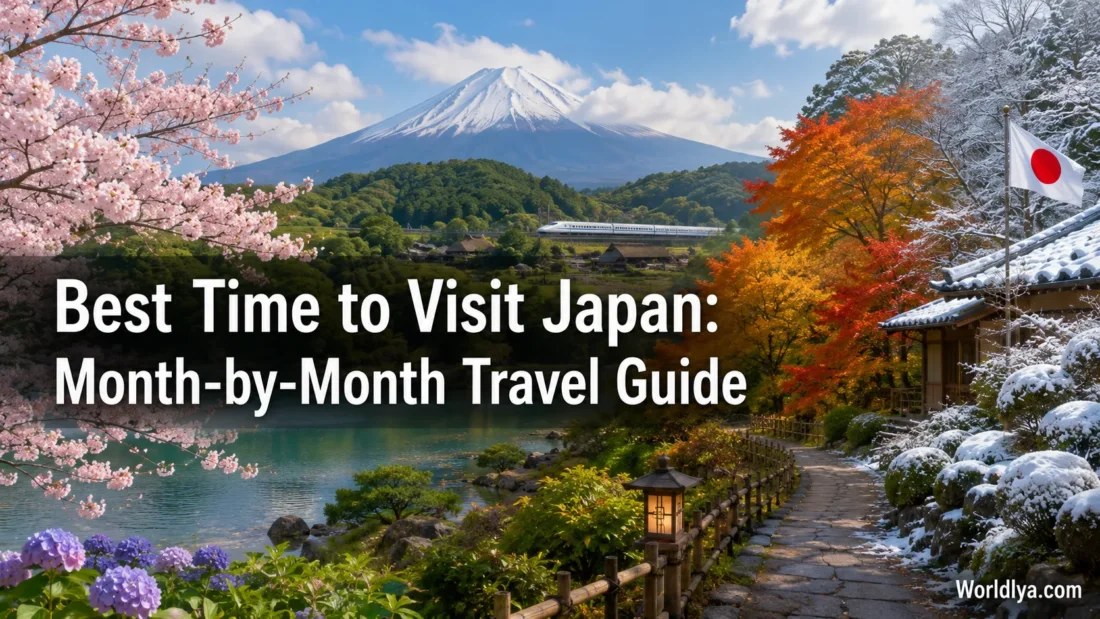
Japan changes its mood month by month. One week can feel like a quiet winter postcard in Hokkaido, while another brings soft cherry blossoms to Kyoto, warm island air to Okinawa, or red maple leaves around temple gardens. The best time to visit Japan is not one fixed answer. It depends on whether you want comfortable city walks, spring flowers, autumn colors, beach days, snow trips, food markets, or a calmer route with fewer packed sightseeing hours.
Best Months to Visit Japan for Most Travelers
If you want the easiest balance of weather, scenery, and outdoor comfort, look first at late March to May and October to November. Spring is famous for blossoms and fresh greenery. Autumn brings cooler air, bright foliage, and long walking days that do not ask too much from your body.
Choose Spring If You Want:
- Cherry blossoms in many central regions
- Mild daytime weather
- Garden walks, temple routes, and city exploring
- Light layers instead of heavy winter clothing
Choose Autumn If You Want:
- Comfortable temperatures in many areas
- Red, orange, and gold leaves
- Clearer-feeling walking days
- Food markets, gardens, and scenic rail routes
Month-by-Month Japan Travel Calendar
Japan is long from north to south, so one month can feel very different between Hokkaido, Tokyo, Kyoto, Kyushu, and Okinawa. Use the table below as a practical starting point, then match the month to the region you care about most.
| Month | Travel Feel | Best For | Smart Planning Note |
|---|---|---|---|
| January | Cold, crisp, snowy in the north and mountains | Snow scenery, hot springs, winter food, quiet city walks after early holidays | Book early for popular ski areas and New Year period travel. |
| February | Cold winter weather, strong snow season in many mountain areas | Skiing, snow festivals, onsen towns, winter photography | Pack warm layers. Northern trips feel very different from Tokyo or Osaka. |
| March | Early spring, changeable temperatures, blossoms begin in warmer areas | First spring flowers, late snow in mountain resorts, lighter city travel | Bring layers. Mornings can still feel winter-like. |
| April | Classic spring, mild weather, many blossom and garden moments | Cherry blossoms, temple gardens, city walking routes | Popular blossom areas need early hotel booking. |
| May | Fresh, green, comfortable, warmer but not deep summer | Outdoor travel, gardens, countryside stays, city-to-city rail routes | The first part of May can be busy around Golden Week. |
| June | Rainy season in many regions, lush gardens, humid days | Hydrangeas, museums, food trips, quieter cultural sites | Hokkaido is often a good choice for travelers who prefer drier early summer weather. |
| July | Hotter, more humid, rainy season usually eases in many places by late month | Summer festivals, beaches, mountain escapes, hiking at higher elevations | Plan indoor breaks during the warmest part of the day. |
| August | Peak summer heat in many regions, lively evenings, busy holiday movement | Fireworks, festivals, island travel, alpine routes | Start early, rest midday, and reserve transport where possible. |
| September | Late summer into early autumn, warm and sometimes changeable | Fewer school-holiday crowds, early highland color, food trips | Keep some schedule flexibility for weather changes. |
| October | Comfortable autumn weather in many areas | Hiking, gardens, art islands, food markets, regional rail routes | One of the easiest months for first-time visitors who like walking. |
| November | Cool, clear-feeling, colorful in many central and western regions | Autumn leaves, temples, parks, photography, onsen stays | Evenings can be chilly. Pack a light coat. |
| December | Early winter, colder nights, festive city lights | Illuminations, hot springs, winter seafood, early snow trips | Mountain and northern areas need proper winter clothing. |
January in Japan: Snow, Hot Springs and Clear Winter Days
January is a good month if your idea of Japan includes snowy roofs, steaming onsen baths, winter seafood, and crisp air. Hokkaido, Nagano, Niigata, and parts of Tohoku feel made for winter travel. In Tokyo, Kyoto, Osaka, and Fukuoka, the month is cold but often manageable for sightseeing with a warm coat.
Early January can be busy because of the New Year holiday period. After that, many city routes become calmer. If you like slower museum mornings, coffee breaks, department-store food halls, and quiet temple grounds, January can feel surprisingly easy.
- Best fit: snow scenery, skiing, hot springs, winter food.
- Pack: warm coat, gloves, scarf, thermal layers for northern regions.
- Good route idea: Tokyo plus Nagano, or Sapporo plus Otaru.
February in Japan: Winter Festivals and Strong Snow Conditions
February is still deep winter. For snow lovers, that is the appeal. Northern Japan and mountain resorts usually have strong seasonal conditions, while city travelers get a colder but atmospheric version of Japan. Think warm bowls of ramen, heated train seats, onsen steam, and pale winter light on old streets.
This month is less about rushing through a long checklist and more about choosing a clear theme. Do you want snow? Go north or into the mountains. Do you want city culture with fewer outdoor demands? Stay in Tokyo, Osaka, Kyoto, Kanazawa, or Fukuoka and mix indoor stops with short walks.
Traveler Tip: February is a strong month for travelers who enjoy seasonal contrast. You can spend the day in a snowy landscape, then end it in a hot spring town. That simple rhythm is one of winter Japan’s easiest pleasures.
March in Japan: Early Spring and the First Blossom Watch
March is a bridge month. Winter has not fully left, yet spring starts to show up in warmer regions. You may still find ski conditions in mountain areas, while plum blossoms and early cherry blossoms begin to change the mood in the south and central parts of the country.
For many visitors, late March is the first serious cherry blossom window around parts of central Japan. Bloom timing changes by region and year, so it is better to treat March as a seasonal possibility, not a fixed promise. The reward? A trip that can combine crisp mornings, spring flowers, and lighter walking days.
- Best fit: flexible travelers, early spring gardens, mixed winter-and-spring routes.
- Pack: light coat, sweater, comfortable walking shoes.
- Good route idea: Fukuoka, Hiroshima, Kyoto, Osaka, or Tokyo with day trips.
April in Japan: Cherry Blossoms, Green Parks and Mild City Travel
April is one of Japan’s most loved travel months. In many central areas, spring feels settled. Parks turn soft, gardens fill with fresh leaves, and city walks become easier. Kyoto lanes, Tokyo parks, Nara paths, and riverside promenades can feel like pages from a travel notebook.
Cherry blossom timing is delicate. A warm spell, cool week, rain, or wind can shift the best days. If blossoms are your main reason for visiting, avoid building the whole trip around one exact date. Instead, create a route with options: Tokyo or Kyoto for central blooms, Kanazawa or Nagano for later spring, and Tohoku or Hokkaido if you are traveling into late April or May.
April is beautiful, but it rewards flexible travelers. A backup garden, riverside path, or nearby city can turn a missed bloom peak into a better day.
May in Japan: Fresh Greenery and Easy Outdoor Days
May is a favorite for travelers who want spring beauty without making cherry blossoms the whole point. The weather is often comfortable, flowers continue in different regions, and hillsides look freshly washed in green. It is a great month for gardens, old towns, countryside stays, cycling routes, and long city walks.
The first part of May overlaps with Golden Week, one of Japan’s busiest domestic travel periods. That does not mean you should avoid the whole month. It means you should plan carefully if your dates fall around late April and early May. The second half of May often feels more relaxed and is a sweet spot before the rainy season reaches many mainland areas.
- Best fit: first-time visitors, garden lovers, food travelers, slower rail trips.
- Pack: light jacket, breathable layers, sun protection for clear days.
- Good route idea: Tokyo, Kanazawa, Kyoto, Nara, Osaka, or Setouchi islands.
June in Japan: Rainy Season Beauty and Quieter Cultural Stops
June brings the rainy season to many parts of Japan. That may sound like a reason to skip it, but the month has its own charm. Moss gardens look richer, hydrangeas bloom, temple grounds feel softer, and indoor planning becomes part of the rhythm. Not every day is wet from morning to night. Many trips include cloudy spells, light rain, short showers, and sunny breaks.
If you dislike humidity, consider Hokkaido or higher-elevation areas. If you enjoy photography, gardens, food streets, museums, tea houses, and less rushed cultural stops, June can be rewarding. A rainy Kyoto garden or a misty mountain town can stay in memory longer than a perfectly clear day.
Rainy Season Note: Pack a compact umbrella, quick-drying shoes, and a light rain jacket. Build each day with one outdoor highlight and one indoor backup, then the weather feels less like a problem.
July in Japan: Summer Festivals, Mountain Air and Beach Routes
July moves Japan into summer. Rainy season usually eases in many areas by late July, and the country shifts toward festivals, beach trips, mountain escapes, and evening events. The heat and humidity can be tiring in big cities, so the best July itinerary respects your energy.
Start sightseeing early, take a long lunch or museum break, then return outside in the evening. This simple structure works well in Tokyo, Osaka, Kyoto, Hiroshima, and Fukuoka. For cooler air, look at Kamikochi, the Japanese Alps, Hokkaido, or other highland areas.
- Best fit: festivals, coastal trips, mountain routes, summer food.
- Pack: breathable clothing, hat, refillable water bottle, small towel.
- Good route idea: Hokkaido road trip, Nagano highlands, Okinawa islands, or city plus mountain break.
August in Japan: Peak Summer Energy and Warm Evenings
August is lively, hot, and full of summer atmosphere. Many travelers come for fireworks, festival evenings, beaches, and mountain scenery. The month asks for smart pacing. If you try to walk all day in the sun, Japan will feel harder than it needs to. If you plan early starts, shaded stops, cold drinks, and evening walks, it becomes much more enjoyable.
Mid-August is also a period when many people in Japan travel for family and seasonal events. Trains and hotels can be busier around popular dates. Book early, leave space in the day, and choose accommodation close to transport when possible.
September in Japan: Late Summer, Fewer Holiday Crowds and Flexible Plans
September is a transition month. The summer holiday feel softens, cities become easier than August in some ways, and early autumn begins to appear in cooler regions and higher elevations. It can still be warm and humid, especially early in the month.
Weather can be more changeable in late summer and early autumn, so September works best for travelers who do not mind adjusting plans. A flexible route, refundable options where possible, and a mix of indoor and outdoor activities make the month easier. Food travelers may enjoy September because seasonal menus begin to shift toward autumn flavors.
- Best fit: flexible travelers, food trips, early highland color, city breaks with indoor options.
- Pack: summer clothing, light rain layer, comfortable shoes.
- Good route idea: Tokyo and Hakone, Kyoto and Kanazawa, or Hokkaido for cooler air.
October in Japan: Comfortable Weather and Long Walking Days
October is one of the easiest months for Japan travel. Many regions feel comfortable for walking, humidity drops compared with summer, and outdoor days become more pleasant. It is a strong month for first-time visitors who want to see several cities without feeling worn out by weather.
Autumn leaves usually begin earlier in northern and higher areas before reaching many central cities later. This makes October especially useful for travelers who want nature routes, hiking, art islands, gardens, and countryside stays. You may not see peak maple color in every central city yet, but you get a smoother travel pace.
Why October Works So Well: It gives you autumn comfort before the busiest leaf-viewing windows in many famous central areas. If you like walking, markets, gardens, and regional trains, October is a very practical choice.
November in Japan: Autumn Leaves and Crisp City Routes
November is the classic autumn month for many travelers. Parks, gardens, temple paths, and mountain towns can turn red, gold, and orange. Tokyo, Kyoto, Nara, Kanazawa, Nikko, and many other areas become especially inviting for scenic walks.
The weather is cooler, especially in the morning and evening, but that often makes sightseeing easier. A hot drink after a long walk, an onsen night after a garden day, or a slow train ride through autumn scenery fits the month well. If you want Japan at a gentle pace, November is one of the strongest choices.
- Best fit: autumn foliage, garden photography, temple walks, onsen towns.
- Pack: light coat, sweater, comfortable walking shoes.
- Good route idea: Tokyo, Nikko, Kanazawa, Kyoto, Nara, Osaka.
December in Japan: Winter Lights, Hot Springs and Early Snow Trips
December begins winter with a mix of city sparkle and mountain cold. Many urban areas have seasonal illuminations, department-store food floors feel festive, and hot spring towns become more tempting as evenings get colder. In the north and higher mountains, snow travel starts to become part of the picture.
This is a good month for travelers who want winter atmosphere without choosing the deepest part of the season. Early December can still be comfortable for city walking with warm clothing, while late December requires more planning around holiday travel, transport reservations, and popular winter destinations.
Best Time to Visit Japan for Cherry Blossoms
For cherry blossoms, the broad season usually moves from warmer southern areas toward northern Japan. In many famous central regions, the most watched window is late March to early April, while Tohoku and Hokkaido often bloom later. Mountain areas can also run behind nearby lowland cities.
Should you plan a whole trip around one blossom date? Probably not. Sakura is beautiful because it is brief, and that also makes it hard to pin down. A better plan is to choose a route with several possible viewing areas. If Tokyo is early, Kyoto may still work. If central Japan is past peak, northern regions may be starting. Japan’s spring moves like a slow wave, and smart travelers follow the wave instead of fighting the calendar.
| Region | Typical Blossom Timing | Planning Style |
|---|---|---|
| Kyushu and Shikoku | Often among the earlier mainland areas | Good for travelers starting in the south. |
| Tokyo, Kyoto, Osaka and Central Japan | Often late March to early April | Book early and keep daily plans flexible. |
| Tohoku | Often April into early May depending on place and year | Useful for later spring blossom routes. |
| Hokkaido | Often late April into May | Good for travelers who miss central Japan’s peak. |
Best Time to Visit Japan for Autumn Leaves
Autumn color does not arrive everywhere at once. It usually begins in cooler northern and mountain areas, then moves into central and western cities later. For many travelers, October and November are the most useful months, with some famous central-city color often stretching toward late November and early December.
If cherry blossom season feels like a short musical note, autumn is more like a longer melody. You often have a wider window, especially if you are willing to move between elevations and regions. Hokkaido and alpine areas can shine earlier. Kyoto, Tokyo, Nara, and Kanazawa often become rewarding later.
Choose October for:
- Mountain routes
- Cooler hiking days
- Northern foliage
- Comfortable city travel
Choose November for:
- Kyoto temple gardens
- Tokyo parks
- Nara and Kanazawa walks
- Onsen plus foliage trips
Best Time to Visit Japan by Region
A month that feels ideal in one region may feel too hot, too cold, or too wet somewhere else. Japan rewards regional planning. Start with the place you want most, then choose the month around that region rather than the whole country.
| Region | Strong Travel Months | Why It Works |
|---|---|---|
| Hokkaido | February, June, July, September, October | Snow in winter, cooler summer air, early autumn color. |
| Tohoku | April, May, October, November, February | Later spring blossoms, autumn scenery, snow culture in winter. |
| Tokyo and Kanto | March, April, May, October, November, early December | Easy city walking, parks, day trips, museums, food neighborhoods. |
| Kyoto, Osaka and Kansai | March, April, May, October, November | Gardens, temples, food streets, old towns, rail-friendly routes. |
| Kyushu | March, April, May, October, November | Earlier spring feeling, onsen towns, food travel, scenic rail trips. |
| Okinawa | March, April, May, October, November | Warm island weather outside the hottest central-summer stretch. |
Best Months for Different Travel Styles
Not every traveler wants the same Japan. Some want temples and gardens. Some want trains and food. Some want snow. Some want a slower trip where they can sit in a cafe and watch a neighborhood wake up. Match your month to your travel style and the whole trip becomes easier.
| Travel Style | Best Months | Why |
|---|---|---|
| First-Time Japan Trip | April, May, October, November | Good walking weather and strong routes through Tokyo, Kyoto, Osaka, Nara, and nearby areas. |
| Cherry Blossom Trip | Late March to April | Central Japan often has famous spring bloom windows, with later options farther north. |
| Autumn Leaf Trip | October to November | Color moves from cooler regions and mountains toward central cities. |
| Snow and Onsen Trip | January to February | Northern and mountain regions offer winter scenery and strong hot spring appeal. |
| Lower-Pace City Trip | February, June, September, early December | These months can work well if you plan around weather and avoid major holiday peaks. |
| Beach and Island Trip | April to June, October | Okinawa and southern islands can be pleasant outside the strongest heat of midsummer. |
Months That Need Extra Planning
Some months are not bad. They simply ask for more planning. If you know what to expect, you can still have a very good trip.
- Late April to early May: Golden Week can make popular transport and accommodation busier. Book earlier and avoid too many same-day long-distance moves.
- June: Rainy season affects many regions. Add indoor stops and choose shoes that can handle wet streets.
- July and August: Heat and humidity can drain energy. Use early mornings, shaded routes, and evening activities.
- September: Weather can be changeable. Keep the route flexible and avoid overloading each day.
- Late December to early January: Holiday movement can affect prices and availability. Reserve transport and hotels ahead of time.
Simple Packing Calendar for Japan
Packing for Japan is mostly about layers and shoes. You will probably walk more than expected, climb more station stairs than planned, and move between indoor heating or cooling and outdoor weather many times a day.
| Season | What to Wear | Useful Extras |
|---|---|---|
| Winter December to February | Warm coat, sweater, thermal base layer for cold regions | Gloves, scarf, warm socks, lip balm |
| Spring March to May | Light jacket, sweater, breathable layers | Compact umbrella, allergy-friendly tissues, comfortable shoes |
| Rainy Season Mostly June to early July in many mainland areas | Light rain jacket, quick-drying clothes | Compact umbrella, water-resistant bag cover, spare socks |
| Summer July to August | Breathable shirts, light trousers or skirts, sandals for suitable routes | Hat, sunscreen, small towel, refillable bottle |
| Autumn October to November | Light jacket, sweater, layers for morning and evening | Camera, walking shoes, small daypack |
A Practical Way to Choose Your Japan Travel Month
Still unsure? Use this simple decision path. It keeps the choice honest and avoids the trap of chasing someone else’s dream trip.
- Pick your main feeling: blossoms, autumn leaves, snow, food, cities, islands, or slower travel.
- Choose the region: Japan is too varied to plan by month alone.
- Check the season pattern: spring and autumn are easiest for walking; winter is best for snow; summer needs pacing.
- Avoid overloading the route: three cities done well usually beat six cities rushed.
- Leave room for weather: one flexible day can save a trip from feeling stressful.
Japan Month-by-Month Travel FAQ
What Is the Best Month to Visit Japan Overall?
For many travelers, April, May, October, and November are the easiest months. They usually offer a good balance of comfortable weather, scenery, and outdoor sightseeing in many popular regions.
When Should I Visit Japan for Cherry Blossoms?
Many central areas are often best from late March to early April, but the timing changes by year and region. Southern areas tend to bloom earlier, while Tohoku and Hokkaido are usually later.
When Should I Visit Japan for Autumn Leaves?
October and November are the main months for many travelers. Cooler northern and mountain areas often color earlier, while central cities such as Tokyo and Kyoto often become especially attractive later in the season.
Is June a Bad Time to Visit Japan?
No. June can be pleasant if you plan for rain and humidity. It is a good month for gardens, hydrangeas, museums, food-focused travel, and quieter cultural stops. Hokkaido is often a strong option for travelers who prefer a drier early summer route.
Is Summer Too Hot for Japan Travel?
Summer can be hot and humid in many regions, especially July and August. It can still work well if you plan early starts, indoor midday breaks, mountain routes, coastal time, and evening activities.
What Is the Best Time for a First Trip to Japan?
For a first visit, April, May, October, or November usually makes planning easier. These months suit classic routes such as Tokyo, Kyoto, Osaka, Nara, Hakone, Kanazawa, and Hiroshima, with comfortable walking conditions in many places.
Sources
- Japan National Tourism Organization: Spring in Japan
- Japan National Tourism Organization: Cherry Blossom Forecast
- Japan National Tourism Organization: Autumn in Japan
- Japan National Tourism Organization: Japan in June
- Japan Meteorological Agency: Overview of Japan’s Climate
- Japan Meteorological Agency: Climate and Baiu Rainy Season